Send e-mail

Kilchenmann has been working as the technology partner at the Kursaal Bern since the beginning of the year. But what does this partnership mean in day-to-day operations? How does the collaboration work behind the scenes, and what really matters in the day-to-day running of an event?
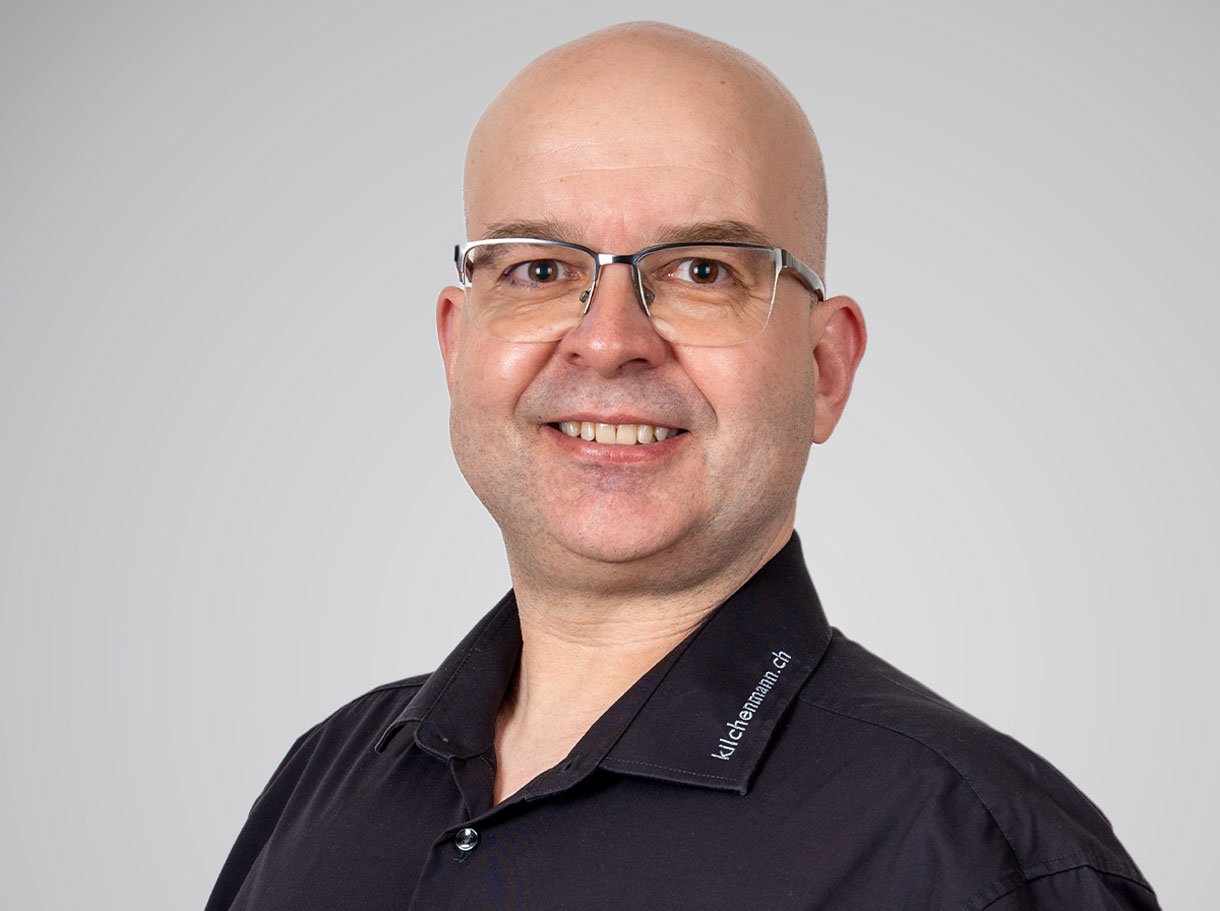
A conversation with Thomas Burgunder, Team Leader Venue Service on site.
The hub behind the scenes
Thomas Burgunder has been working as Team Leader Venue Service at the Kursaal Bern since the beginning of 2026. In the months prior, he was heavily involved in preparing for the technical renovation and the first events.
In daily operations, he plays a central role: "I see my function as a hub. It's about maintaining an overview, ensuring coordination, and making sure that both the team and the customers receive the best possible support."
His team works with a high degree of autonomy. Clear responsibilities, short decision-making processes, a shared understanding, and close communication characterize their daily work. Many decisions are made directly on-site and are supplemented through structured coordination and regular meetings within the Kilchenmann team, as well as with the Kursaal Bern and clients.
Everyday life at the venue: What really happens behind the scenes at an event
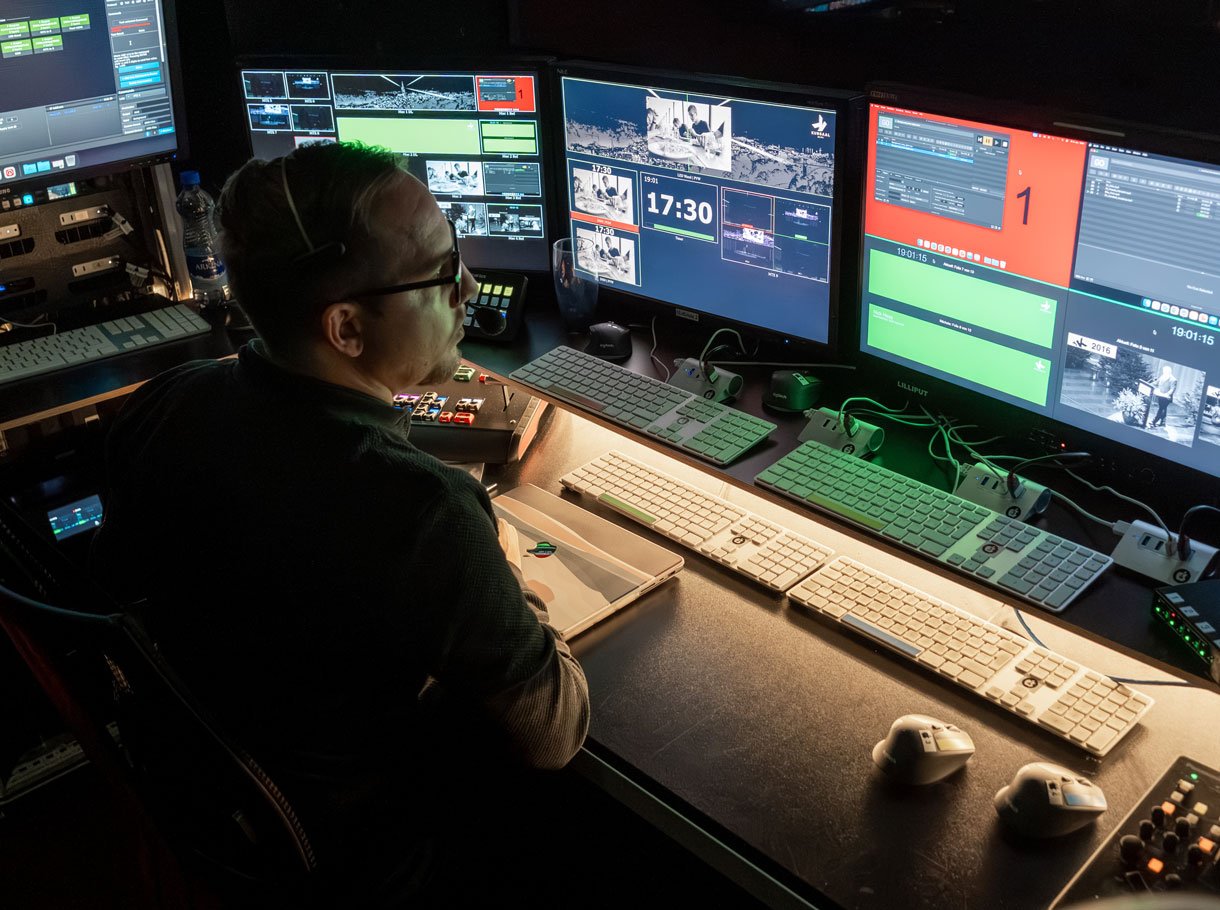
An event at the Kursaal Bern begins long before the first guests arrive. For the technical team, the day starts with a joint briefing, followed by technical tests, rehearsals, and detailed coordination.
“A large part of our work takes place behind the scenes – for example, logistics, material transport, or the complete setup and dismantling. Customers often don't consciously notice this, but it's crucial for a smooth process and a successful event.” It's precisely in these phases that a team's effectiveness becomes apparent . “In particular, it reveals whether the planning was successful: timing, processes, and logistics must be perfectly coordinated.”
On-site technology partner: Collaboration in everyday event operations
As a dedicated technology partner, Kilchenmann is an integral part of the Kursaal Bern's operations. The collaboration goes far beyond a traditional service provider role. " We maintain regular communication with the Kursaal team and openly discuss feedback, requirements, and potential areas for improvement. Crucially, everyone is working towards a common goal. And that's precisely what's evident in our daily operations."
This close coordination shapes the daily work routine. Processes mesh seamlessly, responsibilities are clearly defined, and at the same time, colleagues support each other beyond their own specific area of expertise. "If something is noticed, it's addressed, even if it's not directly within one's own area of responsibility. That's precisely what characterizes a functioning partnership."
In the event industry, there are always situations that require a great deal of flexibility, such as last-minute adjustments or modifications during an ongoing event. "It's in moments like these that you see whether you truly function as a unit. Everyone pitches in – from the technical team to the kitchen staff to management."
Added value for customers
Customers immediately notice this close collaboration, especially during the planning phase. "We are involved in the discussions early on and are able to provide comprehensive advice together with the Kursaal team. This creates transparency and significantly simplifies the planning process for customers."
A key focus is on safety. "The requirements, especially in the area of fire protection, have increased significantly and have become even more important. For us, this topic has always been standard practice. Our task is to provide early advice and work with our clients to develop solutions that meet safety regulations and are also practical and feasible."
Why everything has to be perfect in live operation
In the event business, there are no second chances. This principle forms the core of Thomas Burgunder's understanding of quality.
"In live operation, there is a clearly defined point in time at which everything must function flawlessly. External circumstances cannot always be influenced, but the responsibility for a smooth process remains."
It is precisely in moments like these that the crucial importance of venue experience becomes clear. Those who know the infrastructure, processes, and possibilities on-site in detail can react more quickly, identify risks early on, and implement appropriate solutions in a targeted manner.
Partnership at the Kursaal Bern: Collaboration on equal terms
When asked what makes a successful partnership, Thomas Burgunder has a clear answer: "Trust, appreciation, and open communication. You have to understand how the other person works and what requirements are behind it."
He describes the collaboration with the Kursaal Bern as "solution-oriented, on equal terms and as a real team."
Alongside all the professionalism, the personal perspective remains important. "The Kursaal Bern is a historic venue with many long-serving employees and regular customers. This shapes the partnership. And quite honestly: the view is definitely one of the most beautiful in Bern."
Looking ahead, Thomas Burgunder is particularly looking forward to one thing: "Many more successful events together with a strong team."
Conclusion
The partnership between Kursaal Bern and Kilchenmann illustrates what matters in modern event management: clearly defined processes, well-established procedures, and collaboration on equal footing. Quality arises not solely from technology, but above all from people who share responsibility.